







Inspector’s Story:
Hotline Operator, Pansy
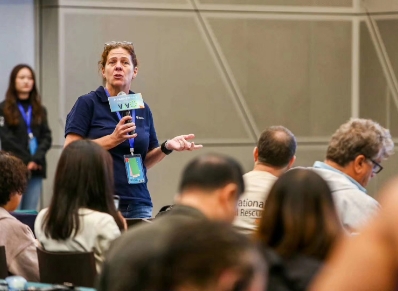
For the past eight and a half years, Pansy has served as the SPCA’s emergency hotline operator, a role that requires stamina, calm under pressure, and a rare level of empathy. Each call can follow another without warning—and many callers are already overwhelmed by fear, grief, or urgent concern with reports of cruelty, abandonment, and danger as they are happening.
With Pansy being the first point of contact, her ability to listen carefully, ask the right questions, and respond clearly helps ensure that the right action is taken without delay.
We chat to Pansy to learn more about what it means to be a part of an emergency response team, what callers can do to make effective reports when calling in and preventive measures pet owners can take to avoid accidents.
What happens immediately after a call comes in —
what are the first steps you follow from the moment you pick up the phone?
Working in emergency dispatch or rescue service is demanding and managing these varied caller types such as Fire Service Department, Police, other government departments and mostly from members of the public, the job itself requires high adaptability. As soon as I answer the call, I stay calm and speak gently to help the caller feel safe, especially in emergencies. I always try to ensure the accuracy of the call request and then dispatch the call to the right inspectors without delay.
Are there moments from your years on the hotline that still stay with you —
and how do you cope so you can keep showing up for the next call?
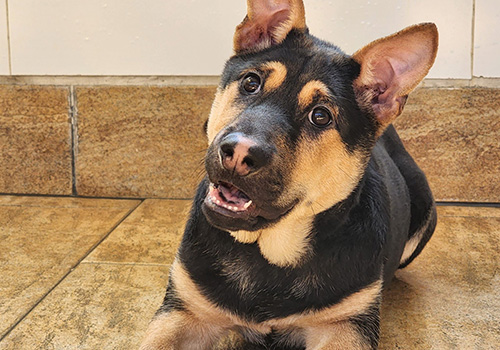
Over the years, the variety of rescued animals has been incredibly diverse, ranging from strays and domestic pets to livestock, wildlife and even emus! It is truly heartwarming to see these resilient animals given a second chance at life in loving homes or released back to the wild. However, not all rescues end happily, as some animals do not survive or must be humanely euthanized due to incurable illnesses or injuries. This along with some cases of animal suffering are difficult to forget.
To cope, I remind myself that I am the first line of help they reach. I also rely on my team; we support each other. I also focus on the happy outcomes— animals being rescued, treated, or reunited — give me strength to keep answering the next call with care and courage.


What responsible pet-ownership habits most often prevent the kinds of emergency cases you receive?
The most important habits are:

Microchipping and keeping contact details updated so lost pets can be returned to owners quickly.

Never leave pets unattended near danger (roads, windows, balconies, heat).

Doing preventative measures such as installing proper window netting to prevent escapes and falls.

Meeting your pet’s basic physical, mental, and environmental needs

Providing regular vet care and not delaying treatment for sickness or injury.

Keeping pets safely indoors or secured to prevent accidents, attacks, or abandonment.
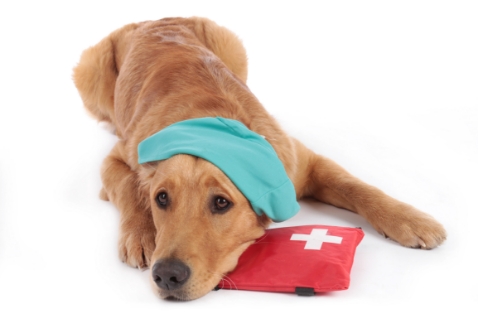
If someone discovers an animal in danger, what should they do right then—before and after contacting the hotline?
- Keep yourself safe first. Do not put yourself at risk.
- If possible, keep the animal(s) safe and confined e.g. by a box, monitored by someone in the shop or at the workplace.
- Provide the hotline operator with clear information; exact location, with picture or video to help the inspector find them easily.
- Follow instructions given by the hotline operator.
- Help guide our team when they arrive, if needed.
As Pansy signs off, she expresses her gratitude to the Inspectorate team, the rescue services, and the general public. One thing remains clear: it’s not just the inspectors on the ground carrying out rescue efforts, but every compassionate person and organisation who steps in when an animal is neglected, abused, or sick and injured. Without the co-operation of the public and the support of these emergency and government partners, many of these animals would never receive a second chance.


