








From Calls to Care:
How the SPCA Inspectorate Evolved to Protect Pets for 105 Years
For the past 105 years, the SPCA (Hong Kong) has not only responded to animal welfare crises—it has continuously evolved its Inspectorate to match the city’s changing needs. What began in 1903 with concerns of cruelty, over time, became a structured service that spans enforcement, prevention, and public education—supported by a team built for both emergencies and long-term welfare work.
Today, evolution continues, and every rescue depends on members of the public who care enough to raise concerns early and fund the team and systems that act when an animal cannot.
1930s-1940s: The birth of an Inspectorate
In the early years, cruelty was widely visible, but accountability was limited. Although the SPCA was formally established as a non-profit in 1921, it wasn’t until 1937, that the SPCA created its Inspectorate, formalising the idea that welfare needed trained responders to investigate complaints, identify harm, and intervene with authority.
During this time, the theft of dogs in China and their resale in Hong Kong was prevalent, requiring the Society to establish a close relationship with Shanghai SPCA.
By 1935, cruelty had already become a legal issue through the introduction of the Prevention of Cruelty to Animals Ordinance (Cap. 169), and the Inspectorate provided the practical “front line” to make that law meaningful in real life.
1950s – 1970s: Enforcement expands
After several years on pause during the turbulence of the war, the SPCA restarted in 1950 – a time when animal welfare became inseparable from public health and prevention, with rabies peaking in 1949.
Concurrently, Inspectorate enforcement increasingly covered the wider ecosystem of animal harm: markets, kennels, pet shops, slaughter-related points, farms, and livestock landing places.
By the 1960s and 1970s, stray animals and neglect emerged as major welfare problems, driven by illegal trade, limited care options, and abandonment when animals became sick or aged. The SPCA launched cat boxes to create safer pathways for surrender and reduced the likelihood that families would abandon cats in public spaces.
In 1977, the SPCA received its first emergency rescue vehicle—a jeep donated by the army—enabling inspectors to respond faster to urgent rescue cases.
1980s–1990s: From public concern to accountability
By the 1980s, the public’s willingness to report cruelty increased (with abuse calls rising from 6,500 in 1983 to 9,100 in 1987). The Inspectorate needed to scale its capacity and responsiveness to match a society that was more ready to speak up.
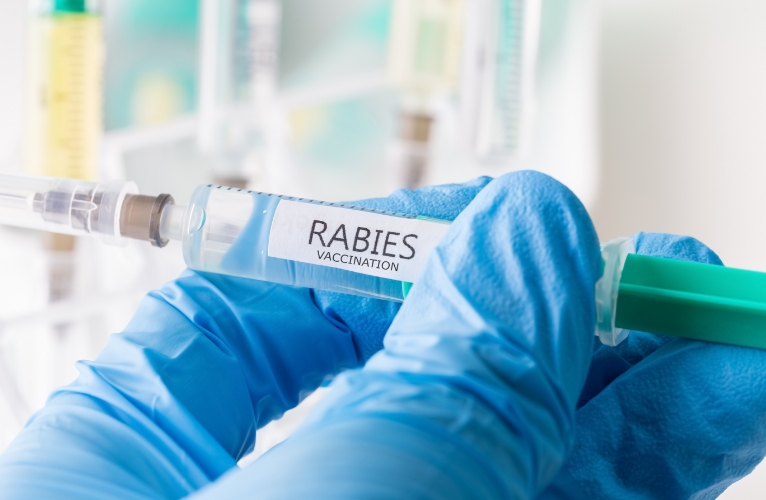
Rabies again shaped enforcement needs, with the SPCA supporting a response from 1982 to 1988, including vaccinations for 6,000+ dogs and public education. Clinics and broader access helped the Inspectorate act with both authority and care.
In the 1990s, the SPCA as a whole faced a different kind of challenge: policy-driven displacement. In 1993, intensified housing enforcement around pets caused adoptions to fall sharply and surrenders to surge, overwhelming capacity.
2000s–today: Modern Inspectorate work and “duty of care”
Around 2000, programmes such as Cat Colony Care (TNR) reflected a strategic shift: address populations humanely and sustainably rather than repeatedly reacting to the same cycle of harm. The last of the cat boxes were removed in 2002.
As attitudes matured, governance followed—dog microchip requirements for pet-shop sales appeared in 2006, and the SPCA launched SNAP (desexing cost support). Later that year, maximum penalties for animal abuse were increased (up to HK$200,000 fine and three years’ imprisonment
By the early 2010s, reviews of animal welfare legislation pushed for a framework that treats responsible ownership as a duty of care, not simply a moral request or a punishment-based system.
Today, as Hong Kong moves towards expanding pet-friendly access in public spaces, the Inspectorate remains essential — evolving from a cruelty-response unit into a modern welfare frontline—shaping how Hong Kong understands responsibility, prevention, and care. It investigates harm, protects animals, and helps the city learn what “good care” truly means.
But none of this is possible without public support. If you’ve ever made a cruelty call, adopted responsibly, chosen humane care or donated to a welfare programme—you are a part of the Inspectorate’s impact. Help us continue to adapt, respond faster, and work towards a true duty of care for every pet in Hong Kong.
As our services are provided free of charge, and we only receive 1% funding from the government, we rely heavily on the generosity of public donations to continue rescuing, protecting, and caring for animals in need. Your support plays a vital role in enabling us to sustain these essential services.


