




Introduction
For over 3,000 years, Traditional Chinese Medicine (Acupuncture, Herbal Medicine, Acupressure and Food Therapies) has been used to treat animals in China, with principles derived from human care adapted for use on animals.
TCM recognises the patterns of disease and the imbalances they cause within the body, a very different approach to Western medicine. TCM focuses heavily on history and physical examination including taking the pulse, visualising the tongue and assessing the patient by touch, smell and sound, to formulate a diagnosis and treatment plan. Each plan is unique in that it aggregates the animals personal physical responses with the veterinary surgeon’s observations.
Acupuncture involves the stimulation of specific points (“acupoints”) along the meridians of the body which are located between muscles or muscle groups. Stimulated by needles, lasers, moxibustion (a practice involving the use of Mugwort herb) or injections, these “acupoints” will react, and it is through these responses that the veterinary surgeon is able to establish a treatment plan for the animal.
With Acupuncture a recommended minimum treatment period is weekly for around six to eight weeks. The veterinary surgeon will assess for any improvements, and may revise the treatment to best address the patient’s needs. With certain chronic diseases acupuncture can be a lifelong treatment, and unfortunately as with any form of treatment, some animals may not respond, and other methods may need to be considered.
However, essential to recovery is the owner’s willingness to bring their pet for the prescribed number of visits. Without this commitment, acupuncture and other TCM treatment courses will not be as effective as they could be.
TCM can be used to treat a wide variety of issues, and is often used in combination with Western medicine as they often complement each other to achieve improved outcomes.
For more information on how Acupuncture can help your pet
 Please download our information sheet
Examples of conditions where TCM can be used include:
Pain and Mobility –
osteoarthritis and degenerative joint disease, hip dysplasia and tendon/muscle injuries.
Neurological Disorders –
intervertebral disc disease, spinal pain, epilepsy and facial nerve paralysis.
Gastrointestinal Disorders –
inflammatory bowel disease and chronic diarrhoea.
Other Conditions –
including urinary incontinence, cancer support, stress/anxiety and lick granulomas.
The SPCA has a long tradition of providing alternative medicine for Hong Kong’s pets (since the 1990s). We currently offer acupuncture services at 4 of our centres:


How to make an appointment:
| CENTRE | BOOKING | PHONE |
|---|---|---|
 Wan Chai Hospital Wan Chai Hospital |
Every Thursday |  2802 0501 2802 0501 |
| Kowloon Centre |
Every Tuesday and alternate Saturdays | 2713 9104 |
| Tsing Yi Centre |
Every Tuesday and alternate Saturdays | 2232 5555 |
| Sai Kung Centre |
Monday to Friday | 2792 1535 |
Preventative Pet Health
Vaccination
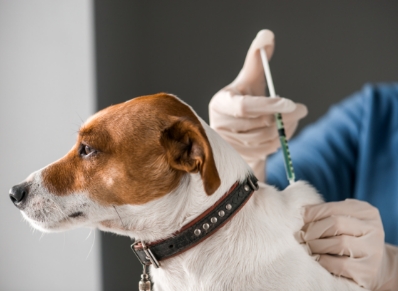
Vaccination protects your pet against highly infectious and sometimes fatal diseases. It is particularly important for young animals not only because their immune systems are not fully developed but also so they can be socialised to ...
Deworming
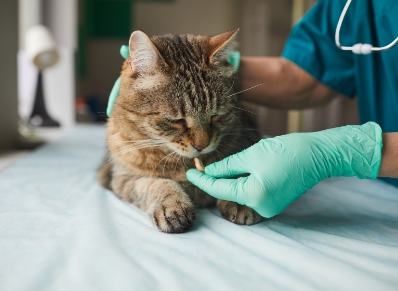
Parasitic worms are as common as fleas to your pet, especially in puppies and kittens. From one centimetre hookworms to metre-long flat tapeworms, they can also be transmitted to people in some instances ...
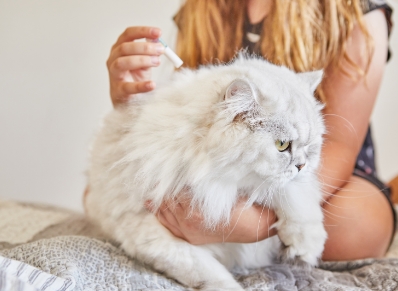
Flea and tick control
Fleas and ticks are very common in the warm, humid climate of Hong Kong. They can cause a variety of conditions from skin disease and allergies to severe anaemias. Control of these pests is therefore important for the welfare of your ...
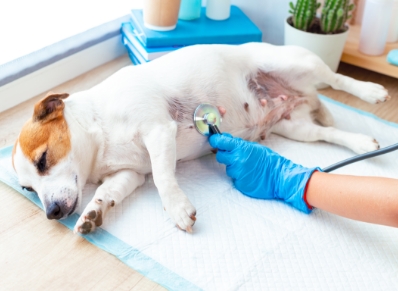
Heartworm prevention
Heartworm is a parasitic roundworm carried by mosquitoes. It can infect dogs, cats and other animals, though rarely humans, and with our warm, humid climate is a significant threat to animals in Hong Kong ...
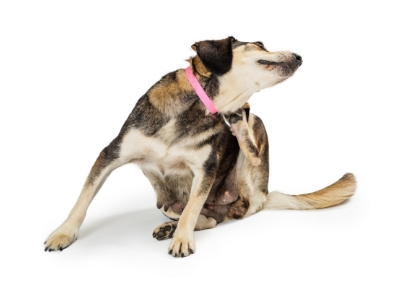
Skin disease
Skin disease affects thousands of dogs and cats every year, ranging from minor “hot spots” to extremely debilitating long-term skin problems. This is particularly the case in Hong Kong’s hot, humid summers but it can occur at any ...

Breeding Issues and Corrective Surgeries
Selective breeding over the years for certain “looks” has resulted in an increase in the number of genetic problems seen by our veterinary surgeons. Unfortunately, it is a very sad fact that these in-bred traits have a negative impact on ...
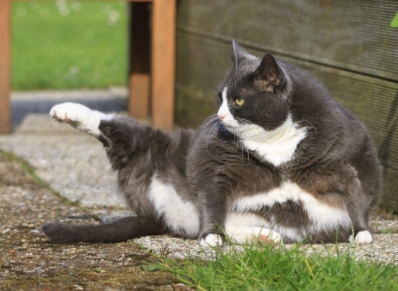
Obesity control
Obesity is a term for any animal which weighs 15% more than it should. Just as with humans, it is not cute and carries significant health risks. And, again just like humans, obesity is a disease that predisposes your pet to many ...

“Pocket Pet” and Exotic Animal Medicine
Our SPCA veterinary team has a vast breadth of knowledge and we are able to offer regular clinics catering to the needs of our more exotic pet-owning members who may have companions as varied as rabbits, ....
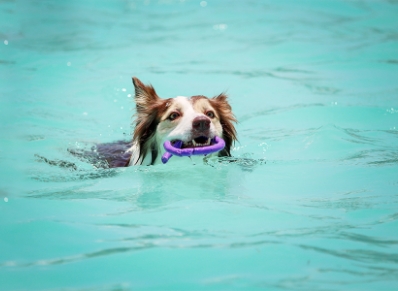
Physiotherapy & Rehabilitation Services
We are grateful to Mrs Diana Wu, alongside Sasha and Andrew Benadie, for their generous sponsorship that has allowed us to install an underwater rehabilitation treadmill at our Hong Kong centre, the first of its kind in Hong Kong ...

Acupuncture and Traditional Chinese Medicin
Traditional Chinese Medicine (Acupuncture, Herbal Medicine, Acupressure and Food Therapies) has been used to treat animals in China, with principles derived from human care adapted for use on animals ...